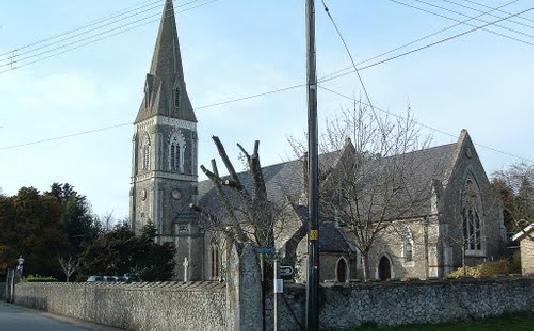
Welcome to our beautiful church. The Living of St Andrew’s dates from around 1146 and was a gift of the monks of Ely at a time when Melton was an important administrative centre of the Liberty of Ely. The original church of St Andrew’s stands about a mile away from the present building close to the parish boundary with Ufford. During the 19th Century, partly influenced by the arrival of the railway, the centre of the population moved nearer the river leaving the church somewhat isolated and difficult to access. The present building was completed in 1868. Melton Old Church is now owned by a charitable trust and has become a popular venue for a variety of cultural, musical and social events.
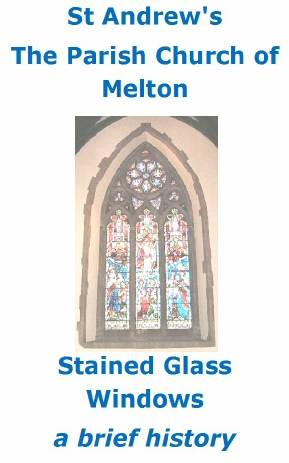
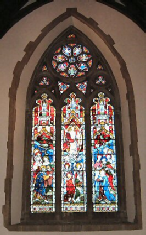
The church has a number of interesting stained glass windows and you can access information about these by clicking the link below before reading the complete history.
St Andrew’s was designed by local architect Frederick Barnes. He was also responsible for the iconic railway stations on the line between Ipswich and Cambridge. The style is Gothic revival and the distinctive stonework, Kentish Ragstone.
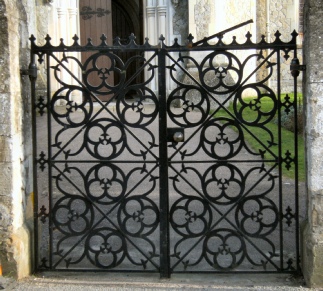
Decorative gates leading to Station Road were crafted by Page and Girling of The Iron Works, Melton.
In 2013 the Victorian lamp at the gate was refurbished in memory of Alison, the daughter of John and June Chalmers.
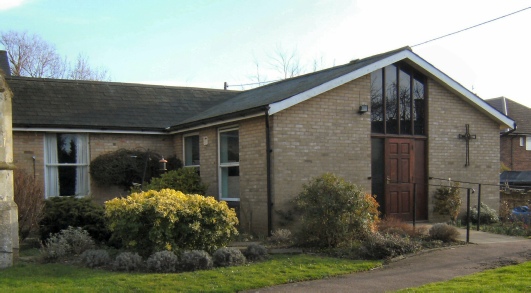
A modern meeting room and kitchen were added in the 1960s. This facility was extended thirty years later in the 1990s.
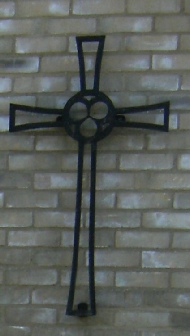
The cross on the wall outside the meeting room is in memory of Vice Admiral Sir Michael Villers KCB OBE 1907-1992
and his wife Rosemary 1910-1992
of Decoy House, Melton
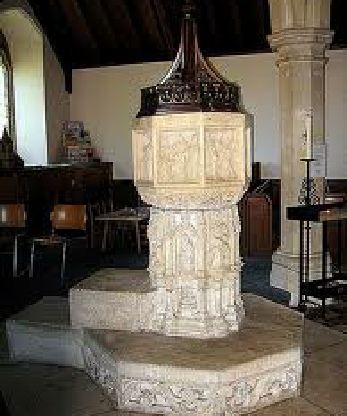
Three of the four bells from Melton Old Church now summon worshippers from the tower of St Andrew’s. New members of the Christian family are baptised at a rare medieval seven sacrament font which was also transferred from the old church.
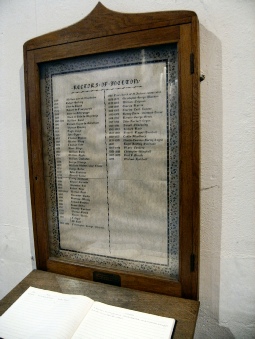
The Revd Watson’s name appears in a board of rectors dating back to 1146 situated below the window.
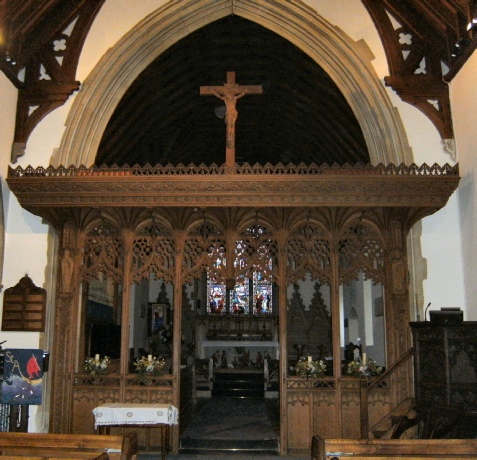
An ornate 15th century style rood screen was added in 1934 by Sir William Churchman in memory of his wife Adelaide. Sir William, an English tobacco manufacturer and public servant, lived at Melton Lodge and bequeathed the Phyllis Memorial Home on Yarmouth Road (now a Montessori Nursery School) to the village following the death of one of his four daughters in childbirth.
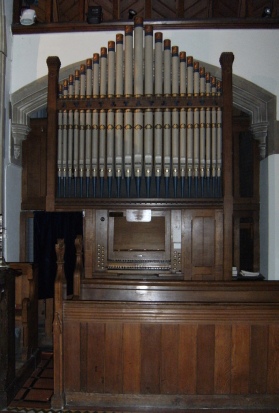
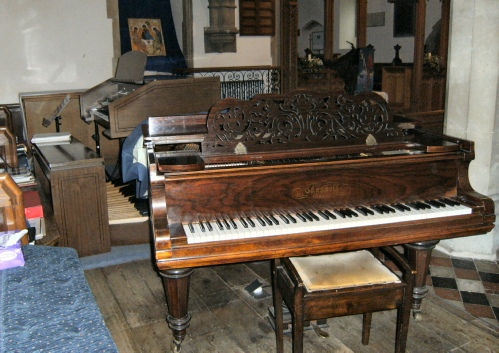
In addition to the grand piano and modern digital organ sited in the nave, St Andrew’s has a pipe organ originally built by William Hill & Son of London and rebuilt in 1951 by that firm in association with Norman Beard Ltd. This work was funded by Mrs James Burness in memory of her husband.
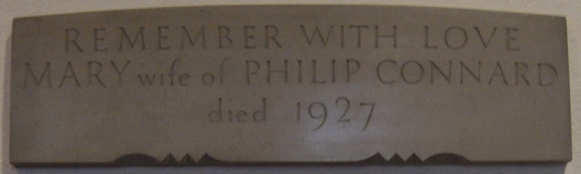
On the north wall of the nave, Mary, the first wife of war artist and Royal Academician, Philip Connard, is remembered. The connection with Melton remains unclear.
Close to the main door, a wall mounted memorial lists those who fell in the Great War. A touching footnote explains this was “erected by their Kinsmen”.
In addition to the Woods family memorial referred to above, other war heroes are remembered at various points around the church including the three sons of Sir Archibald Garrod of Wilford Lodge. Sir Archibald was a pioneering and much distinguished professor of Medicine at St Bartholomew’s Hospital in London.
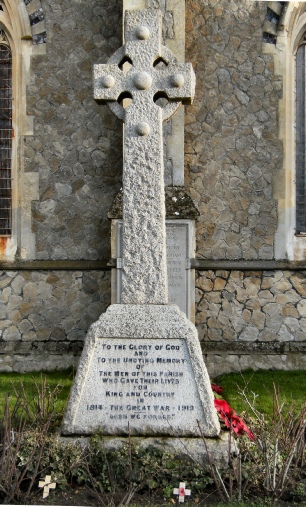
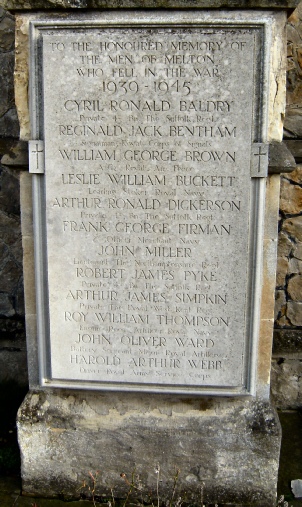
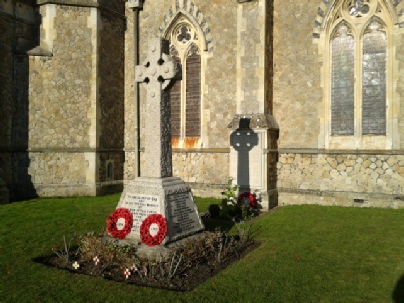
The dead of both world wars are listed in the parish war memorials found in the churchyard.
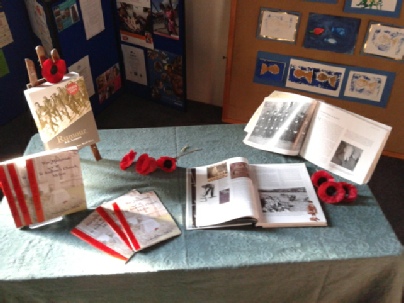
In 2009 the people of St Andrew’s began a long term project to explore the lives of the men named on the memorials. Their findings to date were published in November of that year in the form of a book entitled “Behind the Name” which is still available from the church. The research team is keen to make contact with anyone who is able to offer further information.
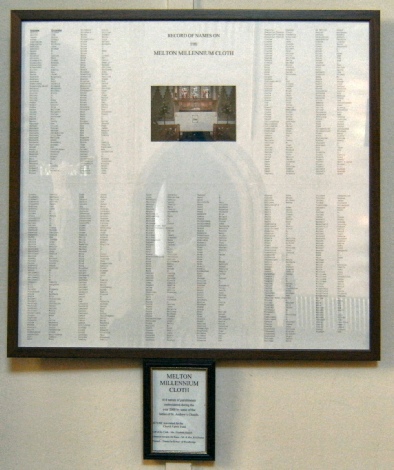
In the year 2000 a white altar cloth bearing the names of 614 parishioners was embroidered to commemorate the millennium. A list of all those included can be seen in a frame to the right of the altar rail.
We hope that you have enjoyed this picture tour of our lovely church and we hope that you will come and visit the church to see for yourself. It is open daily from 8.00 am to 6.00 pm.